Anterior Cruciate Ligament (ACL) Reconstruction
Restoring knee stability with modern techniques
What Is ACL Reconstruction?
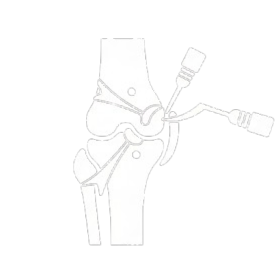
Anterior cruciate ligament (ACL) reconstruction is a surgical procedure aimed at restoring knee stability following an ACL rupture. The ACL plays a crucial role in knee stability, particularly during sports and activities involving pivoting, sudden changes of direction, or jumping.
The procedure is performed arthroscopically, using minimally invasive techniques. The torn ligament is reconstructed using a graft, either from the patient (autograft) or from a donor (allograft).
Indications
Sports Injuries
ACL rupture sustained during athletic activity
Knee Instability
Chronic instability with symptoms of giving way or functional limitation
Young and Active Patients
Individuals wishing to return to sports or high-demand physical activity
Associated Injuries
Meniscal tears or injuries to other knee ligaments
How the Procedure Is Performed
Graft Preparation
The graft is harvested from hamstring tendons, patellar tendon, or quadriceps tendon. Selection depends on patient age, activity level, and individual anatomy.
Arthroscopic Evaluation
Confirmation of the ACL tear and assessment of associated intra-articular injuries.
Creation of Bone Tunnels
Precise tunnels are created in the femur and tibia at the anatomical insertion points of the ligament.
Graft Placement and Fixation
The graft is positioned and secured using specialized fixation devices to ensure stability and proper healing.
Rehabilitation
Rehabilitation is individualized and closely monitored. Typical recovery phases include:
0–2 Weeks
Pain and swelling control, protection of the graft
2–6 Weeks
Gradual restoration of range of motion, progressive weight-bearing
6–12 Weeks
Muscle strengthening, proprioception and balance training
3–6 Months
Gradual return to sports-specific activities
6–9 Months
Full return to competitive sports (depending on sport and recovery progress)