Knee Arthroscopy
Minimally invasive diagnosis and treatment
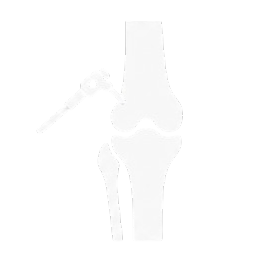
What Is Knee Arthroscopy?
Knee arthroscopy is a minimally invasive surgical procedure that allows the diagnosis and treatment of joint disorders through small incisions using a specialized camera (arthroscope). It enables precise management of conditions such as meniscal tears, cartilage injuries, and inflammatory disorders, offering less postoperative pain and faster recovery compared to open surgery.
Dr. Koutserimpas is an instructor in specialized knee arthroscopy training courses, ensuring a high level of expertise and the application of modern, evidence-based surgical techniques.
Indications for Knee Arthroscopy
Meniscal Injuries
Diagnosis and treatment of medial or lateral meniscus tears
Cartilage Lesions
Management of articular cartilage damage
Loose Bodies
Removal of cartilage or bone fragments from the joint
Synovitis
Treatment of inflammation of the synovial membrane
Diagnostic Arthroscopy
Evaluation of intra-articular pathology when imaging is inconclusive
Ligament Injuries
Assessment and treatment of ACL and PCL injuries
How the Procedure Is Performed
Preparation
The patient is positioned appropriately under anesthesia (general, regional, or light sedation depending on the case).
Arthroscope Insertion
Two small incisions (approximately 5 mm) are made to introduce the arthroscope and surgical instruments.
Diagnosis & Treatment
The joint is carefully examined, and any necessary therapeutic procedures are performed.
Completion
The incisions are closed with absorbable sutures, and a sterile dressing is applied.
Recovery
First 24 Hours
Rest with leg elevation, ice application (15–20 minutes every hour), prescribed pain medication
First Week
Gradual return to walking, gentle range-of-motion exercises, avoidance of strenuous activity
2–4 Weeks
Structured physiotherapy, progressive increase in activity, return to work depending on occupation