Upper Limb Surgery
Modern shoulder and hand surgery
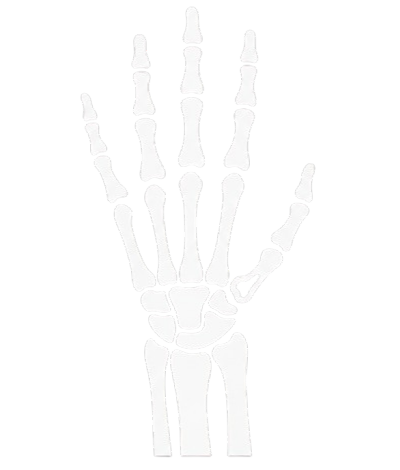
Upper Limb Surgery
Upper limb surgery includes modern and minimally invasive techniques for the treatment of shoulder, elbow, and hand conditions. The goal is pain relief, restoration of function, and a safe return to daily and professional activities.
Shoulder Arthroscopy
Shoulder arthroscopy is a minimally invasive surgical technique used to diagnose and treat shoulder disorders through small incisions using a high-definition camera.
It is commonly used for:
- Rotator cuff tears
- Shoulder instability and dislocations
- Subacromial impingement
- SLAP lesions
Benefits include reduced postoperative pain, faster recovery, and excellent functional outcomes.
Shoulder Arthroplasty
Shoulder replacement surgery is indicated in cases of advanced joint damage or arthritis.
It includes:
- Total shoulder arthroplasty
- Reverse shoulder arthroplasty
The aim is to relieve pain, restore mobility, and improve quality of life.
Upper Limb Fractures – Internal Fixation
Surgical treatment of upper limb fractures focuses on restoring bone alignment and stability.
Common fractures treated include:
- Clavicle fractures
- Proximal humerus fractures
- Elbow fractures
- Wrist fractures
Fixation is performed using plates, screws, or intramedullary devices depending on the fracture type.
Hand Surgery
Carpal Tunnel Syndrome
Compression of the median nerve causing numbness, tingling, and weakness in the hand. Surgical release provides rapid and effective symptom relief.
De Quervain's Tenosynovitis
Inflammation of the tendons at the base of the thumb, causing pain during gripping or lifting. Treated with a small, minimally invasive procedure.
Rehabilitation
Recovery is individualized and focuses on:
- Early mobilization where permitted
- Gradual return to daily activities
- Physiotherapy when required
The time to full recovery depends on the type of procedure and the patient's response to treatment.